Home › Gravel-to-Asphalt Conversions
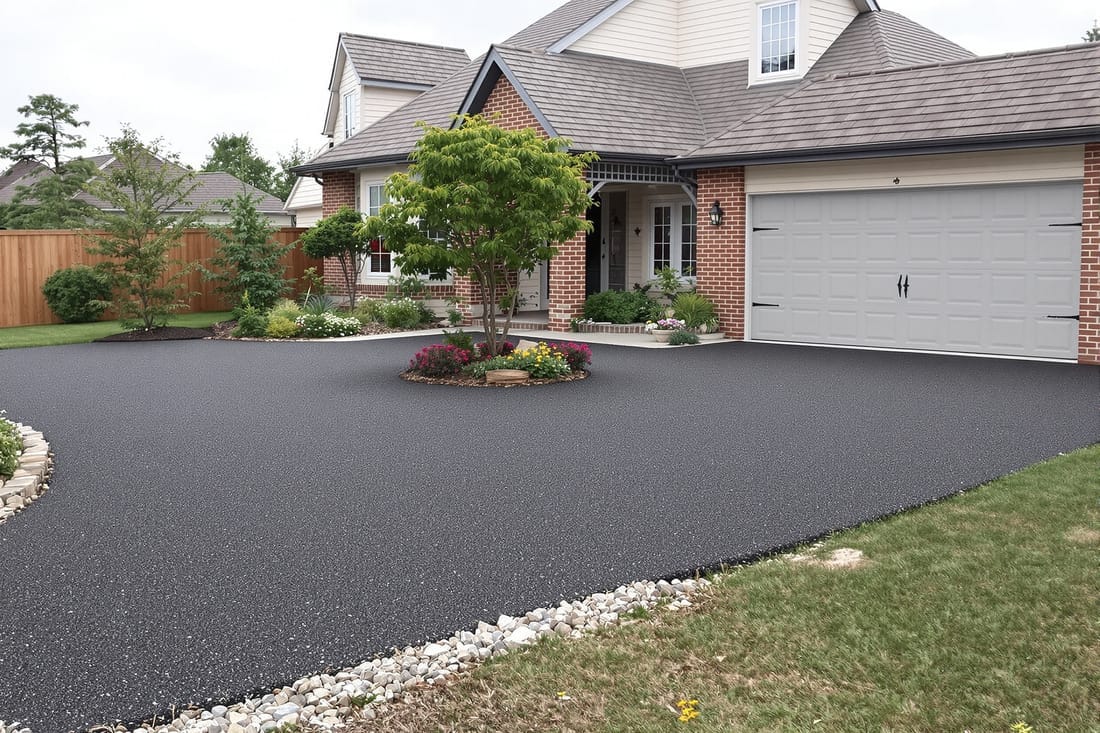
Tired of dust, mud, and ruts in your gravel drive, our gravel to asphalt driveway service in Kansas City, MO gives you a clean, solid surface. We shape and compact your existing base, add stone where needed, then pave with quality asphalt for a smooth, low maintenance drive.
Precision Asphalt Kansas City provides professional gravel to asphalt driveway throughout Kansas City, MO, Missouri and the surrounding area. Our licensed, insured crew delivers safe, clean, on-time work with a free estimate before anything begins. Call (816) 326-1167 or request your free quote.
Turn Your Gravel Driveway Into a Smooth, Clean Asphalt Surface
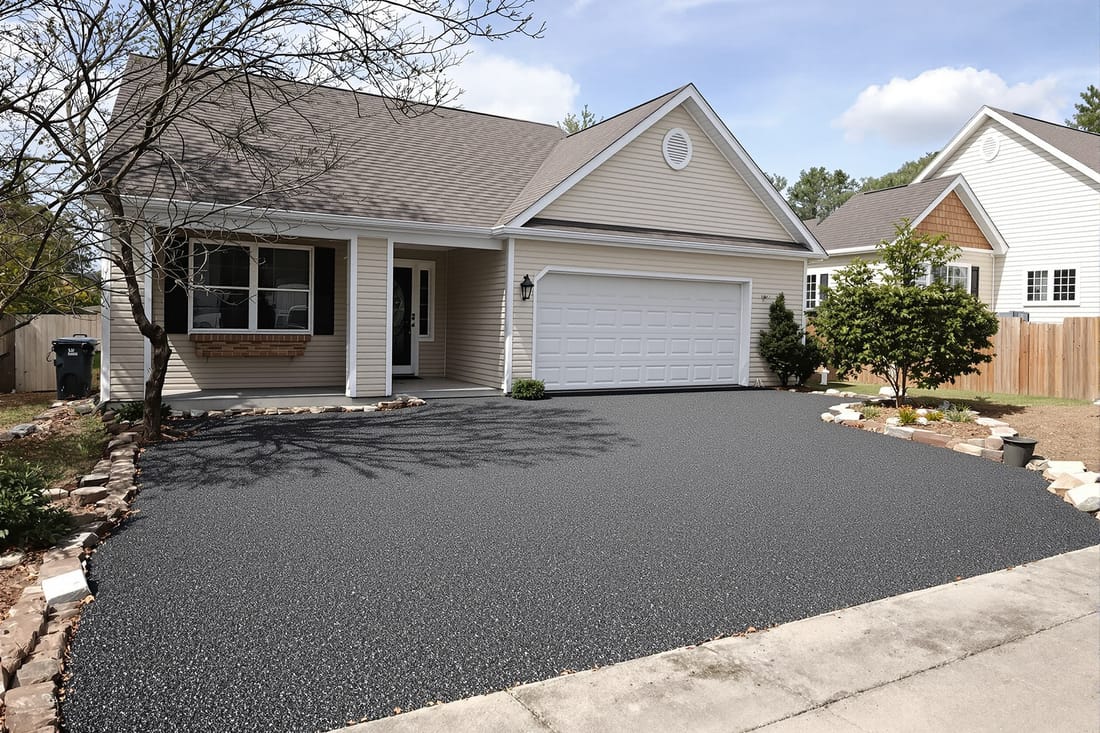
If you are tired of dust, ruts, and washouts on your gravel drive, a gravel to asphalt driveway conversion can be a lasting upgrade for your Kansas City property. Precision Asphalt Kansas City specializes in taking existing gravel drives and turning them into clean, durable asphalt surfaces that are easier to drive on and maintain.
In the Kansas City, MO area, our freeze-thaw cycles, clay-heavy soils, and sudden downpours are tough on gravel. Over time, that means potholes, ruts that scrape your car, and constant regrading or rock deliveries. Converting to asphalt gives you a firm, even surface that sheds water correctly and stands up better to daily use.
Our team does not simply pave over your existing gravel. We evaluate the base, drainage, and traffic patterns to design an asphalt driveway that fits how you actually use it. Whether you run multiple work trucks, park an RV on the side, or just want a clean approach to your home without kicking up dust, we tailor the design and thickness of your gravel to asphalt driveway so it holds up in real Kansas City conditions.
How We Convert a Gravel Driveway to Asphalt in Kansas City
A reliable gravel to asphalt driveway starts with the right preparation. At Precision Asphalt Kansas City, the first step is a site visit. We measure the driveway, check elevation changes, identify soft or pumping spots in the gravel, and look at how water currently flows during storms. In many neighborhoods around Kansas City, the slope of the drive toward the street or a nearby ditch is just as important as the thickness of the pavement.
We then strip or regrade the existing gravel. In some cases we may remove contaminated or muddy gravel and haul it off. In other cases, we reuse the existing rock by reshaping and compacting it into a solid base. If your driveway is underbuilt, we typically add 3 to 6 inches of new aggregate, spread in layers and compacted with a vibratory roller to achieve a firm base.
For most residential conversions, we install 2 to 3 inches of hot mix asphalt in one or two lifts, depending on your usage. Heavier traffic, trailers, and service vehicles might call for a thicker profile or a stronger base. We use hot mix asphalt designed for our region, so it stays flexible enough for Kansas City temperature swings but still resists rutting. The edges are compacted and shaped to prevent crumbling, and we tie in carefully at the street, garage, or sidewalk so there is no harsh bump when you drive on and off the new surface.
Drainage, Base Work, and Dealing With Clay Soils
Many gravel to asphalt driveway problems in Kansas City come from water and weak subsoil, not the asphalt itself. Our area has a lot of expansive clay, and if water sits in the base, the driveway can heave in winter or soften and rut in spring. Precision Asphalt Kansas City pays close attention to drainage and base stability before any asphalt is placed.
If we see low spots holding water or areas that turn into mud after a storm, we may undercut those sections, haul away the unstable soil, and replace it with compacted rock. For longer drives on rural or semi-rural properties, we might recommend adding shallow ditches or shaping a crown so water moves off the driveway instead of pooling in the middle. In tight city lots, we look at tying surface flow into existing gutters or storm inlets where appropriate.
We also pay attention to transitions. If your garage sits lower than the street, we adjust the base grade so water runs away from the building rather than toward it. In areas with HOA rules or city stormwater guidelines, we can recommend practical grades and swale layouts that keep water on your property and avoid spilling sediment into the public right of way.
Design Options: Thickness, Layout, and Edging Choices
Even though the main goal is to get rid of loose gravel, you still have choices in how your new asphalt driveway looks and performs. Precision Asphalt Kansas City will talk through options so you know exactly what you are getting.
Thickness is one of the most important design choices. A typical residential gravel to asphalt driveway conversion in Kansas City might receive 2 inches of compacted surface on a well built base. If you expect frequent heavy truck traffic, we may suggest a thicker asphalt section or a stronger aggregate base to prevent rutting. For long country drives, we sometimes adjust the asphalt thickness in different sections based on where the heaviest loads will be.
You can also adjust the layout. Many homeowners use the conversion as an opportunity to widen tight areas near the garage, add a parking pad off to the side, or smooth out a sharp curve. We mark the proposed edges with paint so you can see the new footprint before work begins. For edging, you can leave a clean asphalt edge with sloped shoulders of topsoil, or add concrete ribbons, landscape blocks, or decorative rock beds to reduce tracking and help define the driveway visually.
Costs, Permits, and What Affects Your Price in Kansas City
The cost of a gravel to asphalt driveway in Kansas City, MO depends on more than just square footage. When Precision Asphalt Kansas City prepares a quote, we look at four main cost drivers: base condition, total driveway area, asphalt thickness, and access.
If your existing gravel base is relatively firm and at the right height, costs are lower because we can reuse more of what you have. If we need to undercut soft spots, add significant new aggregate, or correct major drainage issues, that adds labor, material, and equipment time. Long, narrow drives may cost more per foot than a compact driveway near the street, especially if trucks and rollers must make long trips in and out.
Inside Kansas City limits and many surrounding suburbs, smaller driveway conversions usually do not require full engineering, but you may need a driveway or curb cut permit, especially if we are changing the width at the street. In certain HOAs, there may also be rules about widening, setbacks, or the distance to property lines. We can help you understand which approvals apply, and we are accustomed to working with common Kansas City and Jackson County requirements.
Your written estimate will spell out base preparation, asphalt thickness, and any drainage or grading work. That way you know exactly what is included and can compare proposals on more than just total price.
What to Expect During and After Your Conversion
A typical residential gravel to asphalt driveway project in the Kansas City area takes one to three working days, depending on length and how much base work is needed. Precision Asphalt Kansas City will provide a clear schedule so you know which days your vehicles need to be out of the way and when you can drive on the new surface.
Day one is usually grading and base preparation. We will use skid steers and graders to reshape the existing gravel, address soft spots, and compact the rock until it is firm and even. On paving day, hot mix asphalt arrives in trucks, is placed with a paver, and then compacted with steel and rubber-tired rollers. Our crew will rope or cone off the driveway so it has a chance to cool.
Most homeowners can walk on the new asphalt the same day and drive on it within 24 to 48 hours, depending on weather. In hot Kansas City summers, we advise avoiding tight steering turns while parked and keeping heavy trailers or dumpsters off the fresh surface for a bit longer. For long-term care, routine sweeping, prompt cleaning of oil spills, and optional sealing after the first season will help your new driveway last longer and stay looking sharp.
Before we leave, we walk the project with you, answer questions about curing and maintenance, and make sure you are comfortable with how to care for your new gravel to asphalt driveway so it performs well for years.