Home › Asphalt Resurfacing & Overlays
Give your worn driveway a second life with asphalt resurfacing in Kansas City, MO. We repair problem areas, apply leveling where needed, then install a fresh asphalt overlay. This process renews appearance and performance without the cost of full replacement when the base is still solid.
Precision Asphalt Kansas City provides professional asphalt resurfacing throughout Kansas City, MO, Missouri and the surrounding area. Our licensed, insured crew delivers safe, clean, on-time work with a free estimate before anything begins. Call (816) 326-1167 or request your free quote.
Asphalt Resurfacing & Overlays in Kansas City, MO
When your asphalt is cracked, rough, or starting to ravel but the base is still solid, asphalt resurfacing can give it a new life without the cost of full reconstruction. Precision Asphalt Kansas City focuses on resurfacing and overlay projects throughout Kansas City, MO, so we know how our freeze-thaw cycles, summer heat, and heavy storms affect your pavement.
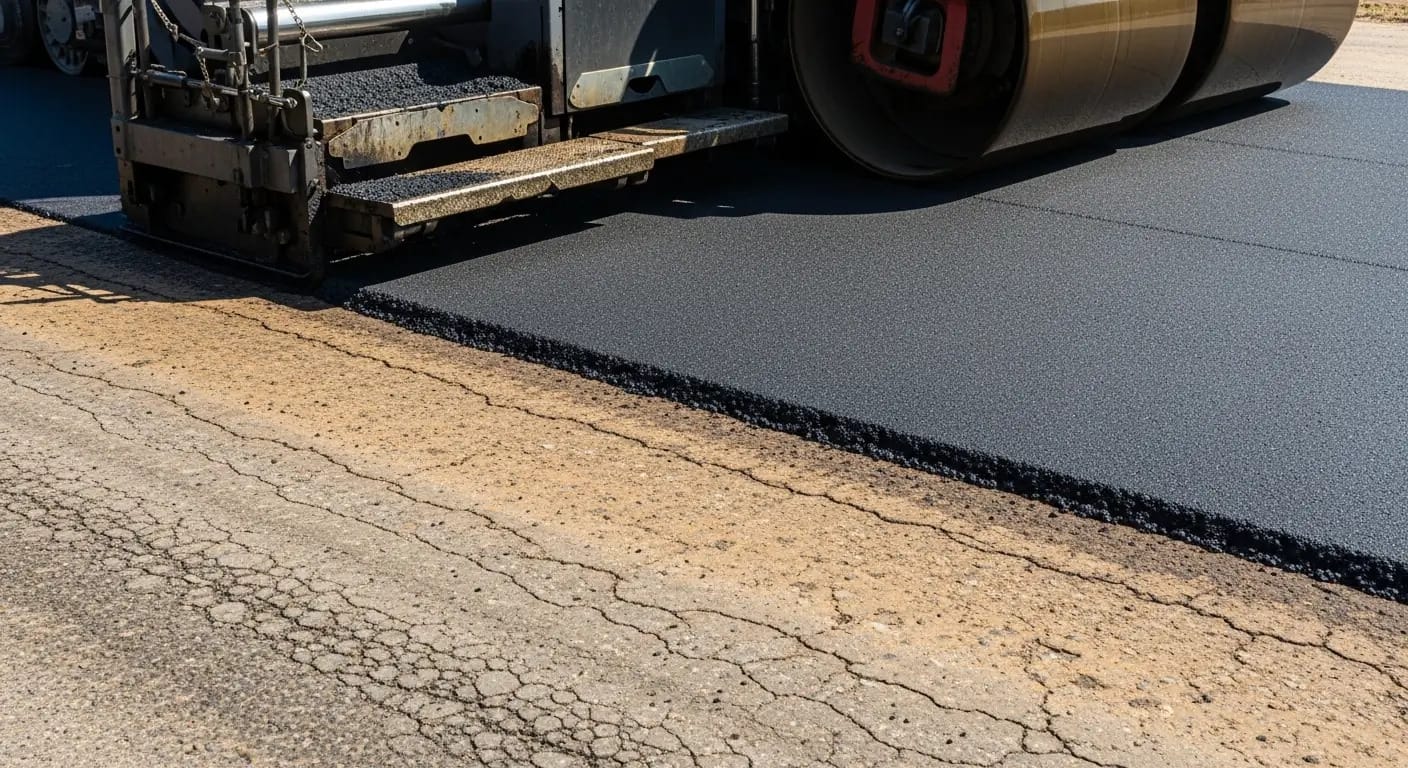
Resurfacing means placing a new layer of asphalt over your existing pavement after it has been repaired and prepared. This is different from simple crack filling or sealcoating. It is a structural improvement that restores a smooth driving surface, improves drainage, and extends the life of commercial parking lots, residential driveways, HOA streets, and small private roads.
We evaluate every property in person. Some surfaces are good candidates for a 1.5 to 2 inch overlay, while others might need thicker lifts or partial base repair before resurfacing. Our recommendations are based on what will carry the traffic you actually have in Kansas City, like delivery trucks, garbage trucks, and Midwest winter plowing, not just a generic rule of thumb.
How We Evaluate if Your Pavement Is Ready for Resurfacing
A successful asphalt overlay starts with an honest assessment of what is underneath. Precision Asphalt Kansas City begins with a detailed walk-through of your lot or driveway. We look for patterns, not just individual defects. Alligator cracking in wheel paths, standing water after rain, or repeated potholes in the same locations tell us about the condition of the base and subgrade.
We core or cut test spots when needed, especially on older commercial lots or areas that have been patched many times. This lets us see the thickness of your existing asphalt and base rock. In Kansas City clay soils, soft or pumping areas can show up even if the surface looks acceptable. Those spots must be corrected before any resurfacing or overlay, or the failure will simply return through the new asphalt.
We also check elevations and drainage. Resurfacing adds height. That affects curb reveal, ADA ramps, door thresholds, and how water flows to inlets. For properties in lower-lying areas of Kansas City, we pay close attention to where stormwater collects so that the overlay improves drainage instead of making ponding worse.
After the assessment, we explain whether you are a good candidate for resurfacing, a mill and overlay, or if some sections need full-depth replacement. Not every surface should be overlaid, and we will tell you that up front.
Step-by-Step: Our Asphalt Resurfacing & Overlay Process
Once we confirm that resurfacing is the right choice, Precision Asphalt Kansas City follows a clear, repeatable process designed for Kansas City conditions.
1. Site cleaning and prep: We begin by power sweeping and blowing off all loose debris, dirt, and vegetation. Oil spots are cleaned or treated so they will not break down the bond with new asphalt. Any unstable material is removed.
2. Structural repairs: We cut out failed areas, dig down to the base, repair soft spots with compacted rock, and patch them with new hot mix asphalt. Larger cracks are routed and filled. This step is critical in our region because moisture intrusion during winter can quickly destroy an overlay if weak areas are ignored.
3. Milling and transitions: Where asphalt meets concrete (ramps, gutter lines, dock areas, and garage aprons), we typically mill the existing asphalt to create a smooth transition. This prevents a raised lip that could become a trip hazard or catch snowplow blades.
4. Tack coat application: We apply a uniform tack coat to the existing asphalt. This adhesive layer helps the new overlay bond tightly to the old surface. Without proper tack, layers can slide or delaminate, especially during the hot, humid Kansas City summers.
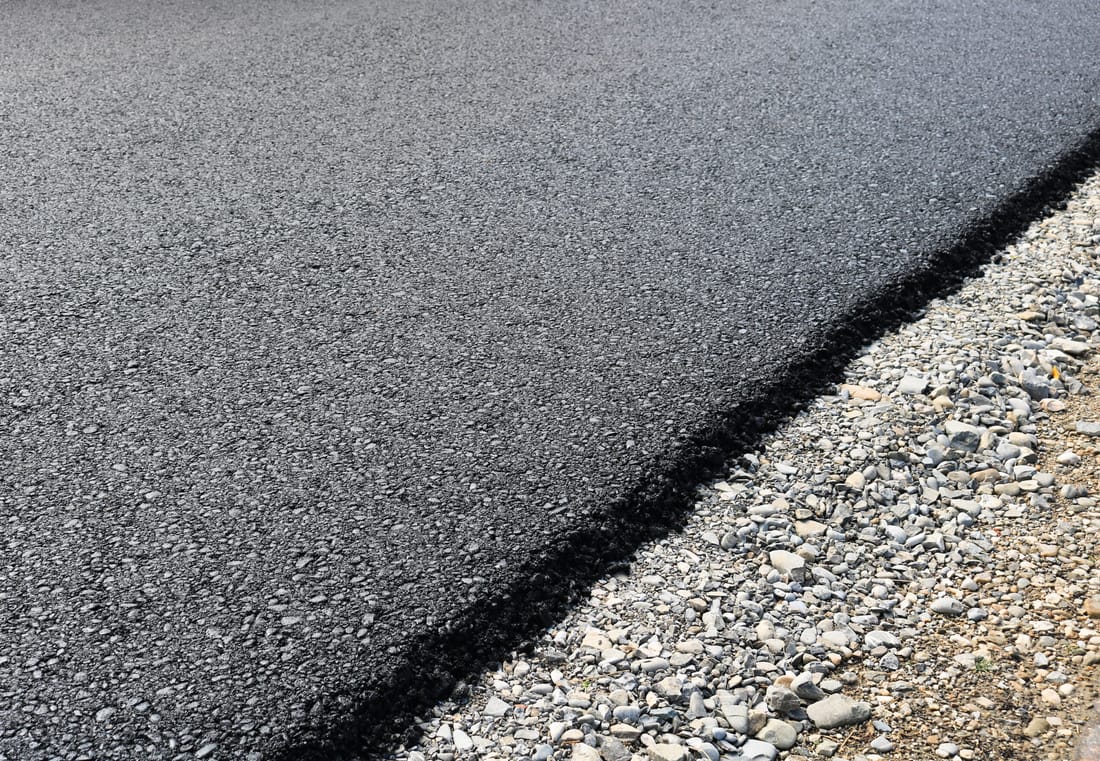
5. Placing the overlay: Depending on use, we install 1.5 to 3 inches of hot mix asphalt in one or more lifts. Residential driveways might use a finer mix for a smooth, attractive finish, while a busy commercial lot might use a tougher, coarser surface course to stand up to truck traffic.
6. Compaction: Steel drum and pneumatic rollers compact the new asphalt to achieve proper density. We monitor seams, edges, and joints carefully so water does not infiltrate through weak spots.
7. Marking and cleanup: After rolling, we re-stripe parking lots, ADA stalls, and directional arrows as needed. We handle barricades and access phasing so your customers or residents can get back on the pavement as soon as it is ready, usually within 24 hours for light traffic.
Material Choices and Design Options for Your Overlay
Not every overlay uses the same asphalt mix or layout. Precision Asphalt Kansas City works with local plants to select mixes that perform well in our Kansas City climate and for your specific use.
For residential driveways, we often recommend a finer, 3/8 inch surface mix that compacts tightly and looks clean and uniform. These mixes still handle Midwest winters but give you a smoother appearance and quieter drive.
For commercial properties and HOA streets, we typically use a heavier-duty surface course with larger aggregate and higher stability. This is especially important if delivery trucks, trash trucks, or snowplows regularly use your pavement. We can also install thicker lifts in high-traffic lanes and slightly thinner lifts in parking stalls to control cost without sacrificing performance where it matters most.
In some cases, particularly at shopping centers or busy office parks, we design phased overlays. That means resurfacing main drive lanes with one mix and stall areas with another, or scheduling the work over several evenings or weekends. We coordinate with property managers to maintain fire lane access and keep at least one entrance open when possible.
We also review layout improvements while resurfacing. This is the ideal time to adjust parking striping, add loading zones, or improve traffic flow markings, since the surface is fresh and visible. Small layout changes can significantly improve safety during winter snow events when lines are harder to see.
Kansas City Weather, Timing, and Seasonal Considerations
Our local weather in Kansas City heavily influences when and how asphalt resurfacing should be done. Precision Asphalt Kansas City schedules overlays during temperature windows when hot mix can be properly compacted and the surface can cure without damage.
Ideal paving months are typically April through early November, but the right day depends on air and ground temperature, wind, and humidity. Asphalt cools faster on windy or overcast days, which can affect compaction on larger projects. On very hot summer days, we plan work earlier in the morning or later in the afternoon to protect both the crew and the quality of the mat.
We are careful about resurfacing just before a hard freeze or heavy rain. Fresh overlays are especially vulnerable to standing water and rapid temperature swings. In Kansas City, where winter thaw cycles are common, we pay close attention to drainage and joint compaction so that water and ice do not break the bond between layers.
If a property needs work outside peak paving season, we will discuss realistic options. Sometimes that means addressing just the worst areas with patching and crack repair, then scheduling a full overlay when conditions are better. Our goal is to time your resurfacing so you get the most years of service from the investment.
What Affects the Cost of Asphalt Resurfacing in Kansas City
Property owners often ask why two seemingly similar lots can have very different resurfacing prices. Precision Asphalt Kansas City is transparent about the main factors that affect cost so you can compare estimates accurately.
1. Size and shape of the area: Larger, open areas are more efficient to pave and usually cost less per square foot. Small, chopped-up lots or long, narrow drives require more handwork and edge work, which increases labor time.
2. Existing condition and repairs: If your asphalt has multiple failed sections, soft base areas, or deep potholes, those must be corrected before the overlay. The amount of patching and base repair has a major impact on the total price.
3. Thickness and type of overlay: A 1.5 inch residential overlay uses significantly less material than a 3 inch commercial overlay. Heavier-duty mixes and added lifts for truck lanes will cost more but can be necessary to avoid future failures.
4. Access and phasing: If we can pave your lot in one continuous operation, costs stay lower. If work must be done in many small phases to keep entrances or loading docks open, scheduling and mobilization costs go up.
5. Striping and extras: Re-striping, adding speed bumps, installing wheel stops, or revising layout affects the final price. These items are often worthwhile since you are already investing in a fresh surface.
We provide written proposals that break out what is included. If you have multiple options for how much to resurface now versus later, we will show that clearly so you can plan budget and maintenance over several years.
Why Work With Precision Asphalt Kansas City
Choosing a resurfacing contractor is about more than just the lowest quote. A poorly designed overlay can look fine for a year or two, then start to crack or rut because the underlying issues were not addressed. Precision Asphalt Kansas City focuses on long-term performance for Kansas City properties.
We are local, so we see how our past projects hold up through real winters and summers. That feedback guides how we design thicknesses, handle drainage, and treat transitions. We are used to working in busy parking lots, school drives, churches, and industrial yards, and we prioritize clear communication so tenants and customers know where to park and when.
Before we start work, you will know the planned schedule, traffic control approach, and any access limitations. During the project, a foreman is on site who can answer questions and walk the job with you. At completion, we review the overlay with you, point out drainage paths, and discuss basic care, such as when to allow different types of traffic back on the surface and when to consider follow-up sealcoating.
If you are considering asphalt resurfacing or overlays in Kansas City, MO, we invite you to contact Precision Asphalt Kansas City for an on-site evaluation. We will give you a straightforward opinion on whether resurfacing is right for your pavement and what approach will serve your property best over the next decade.