Home › Asphalt Milling and Reclamation
Prepare your pavement for a new surface with asphalt milling in Kansas City, MO. We remove precise depths to correct elevations, improve drainage, and accept new overlays. Full depth reclamation is also available to recycle existing pavement and base into a strong new foundation.
Precision Asphalt Kansas City provides professional asphalt milling throughout Kansas City, MO, Missouri and the surrounding area. Our licensed, insured crew delivers safe, clean, on-time work with a free estimate before anything begins. Call (816) 326-1167 or request your free quote.
Asphalt Milling and Reclamation in Kansas City, MO
Asphalt milling is often the most cost-effective way to fix worn, cracked, or uneven pavement without starting completely over. Precision Asphalt Kansas City uses commercial milling machines to remove a controlled depth of your existing asphalt, then rebuild the surface so it drains correctly and lasts longer.
In Kansas City, milling is common for parking lots, city streets, HOA roads, and long driveways where full-depth replacement is not necessary. We evaluate how thick your existing asphalt is, how bad the base layer is, and how water currently moves across the surface. Based on that, we decide whether standard milling, fine milling, or full-depth reclamation is the right fit.
If your lot has alligator cracking but the base is still solid, asphalt milling with an overlay is usually enough. If water sits in low spots, we can mill specific areas deeper to adjust slopes so water runs to drains or edges. For severely failed pavements with base problems, we may recommend asphalt reclamation, where we recycle and stabilize the existing asphalt and base instead of hauling everything off site.
How Asphalt Milling Actually Works
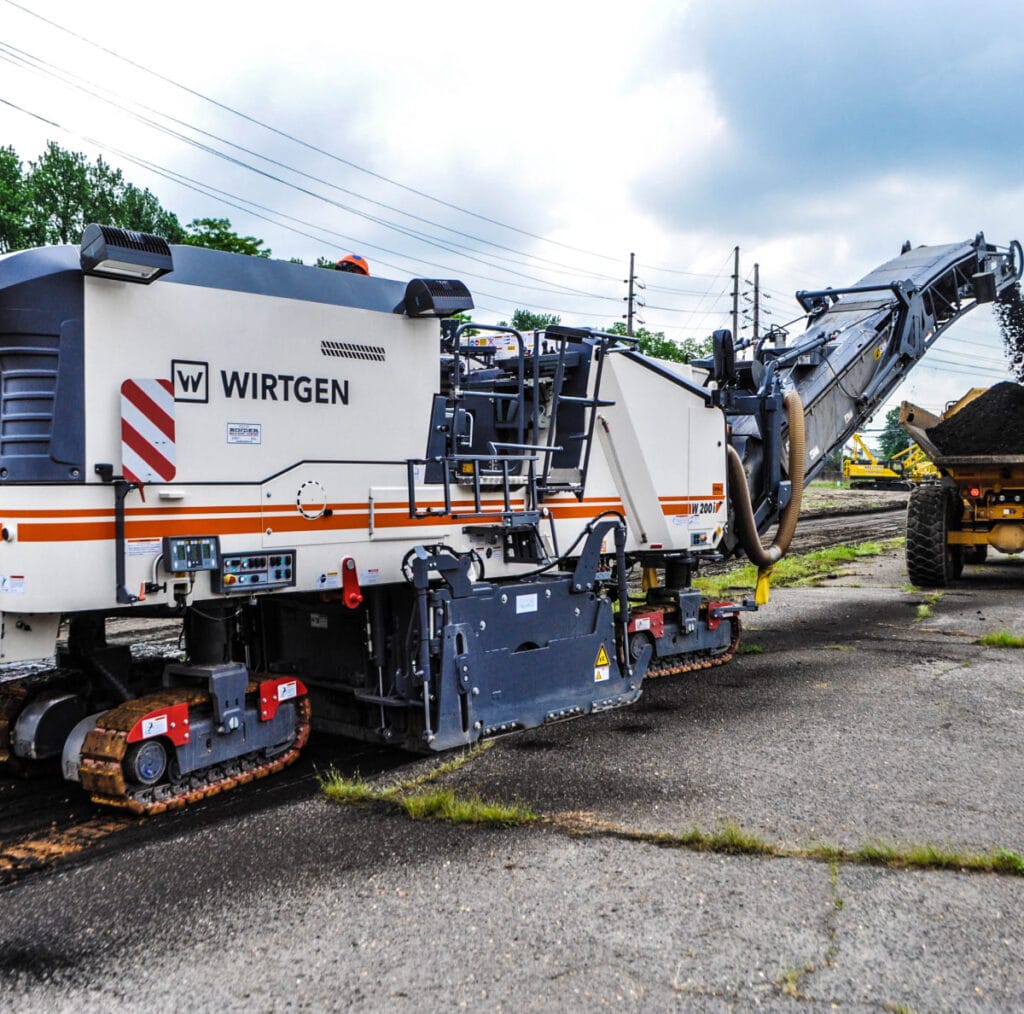
On a typical Kansas City milling job, we bring in a milling machine that uses a rotating drum with teeth to grind the existing asphalt to a set depth. We usually start with a test strip in a low-visibility area to confirm the exact depth we need to hit solid, stable material without exposing the base more than necessary.
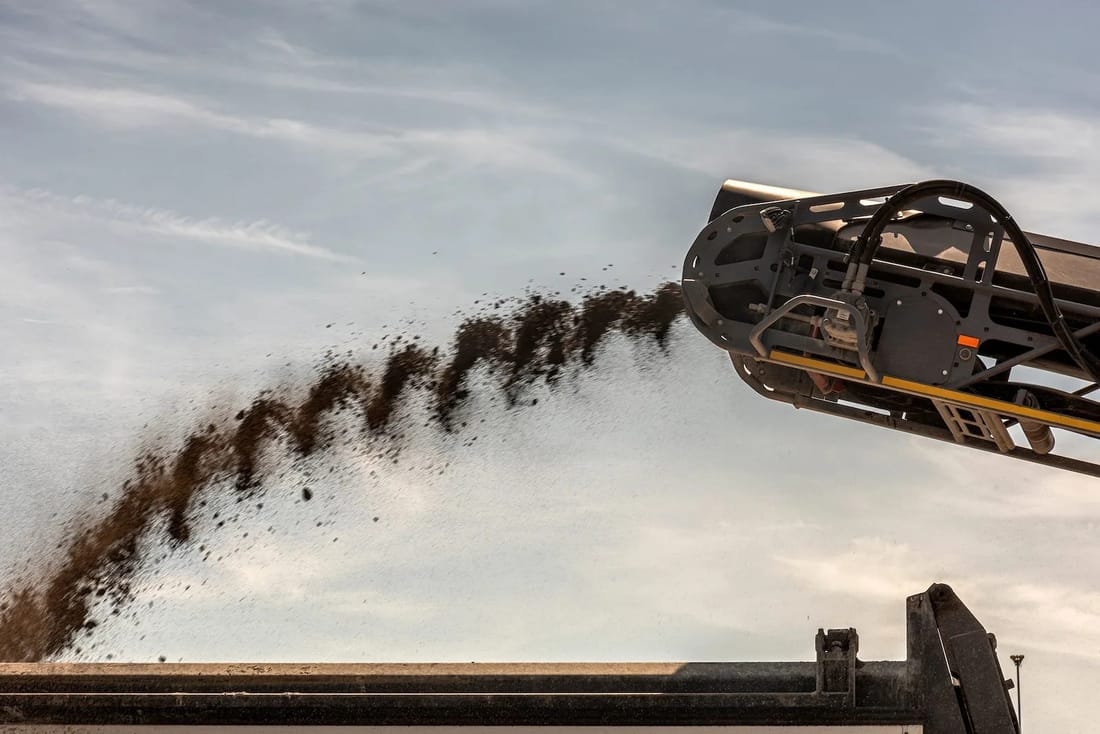
The machine mills in passes, collecting the ground material (millings) on a conveyor and loading it into trucks. We control the grade and slope with automated controls and frequent checks using string lines, levels, and lasers on larger projects. Our crew cleans up each pass with brooms and blowers so we can see the surface clearly before the next cut.
Once milling is complete, we sweep the entire area and inspect for soft spots, exposed fabric, or base failures. Where we find issues, we dig out those sections and rebuild the base with compacted aggregate or asphalt patch before paving. Only after the milled surface is sound and clean do we tack coat it and place new hot-mix asphalt with a paver, then compact it with steel and pneumatic rollers for a tight, durable bond.
Asphalt Reclamation and Full-Depth Solutions
Asphalt reclamation is different from simple milling. Instead of just removing the top layer, full-depth reclamation blends the existing asphalt and base together to create a new stabilized foundation. This can be the most economical choice for older Kansas City lots or rural roads where the base is failing and patching never seems to last.
We use a reclaimer or a heavy stabilizing mill to pulverize the asphalt and several inches of base. Depending on the project, we may add cement, fly ash, or another stabilizing agent to strengthen the new base layer. The mixed material is graded to the right slope, then compacted with large rollers so it is tight and uniform before any new asphalt is placed.
Reclamation is especially useful in areas that have heaving from freeze-thaw cycles, heavy truck traffic, or decades of thin overlays. Instead of stacking more asphalt on top of a bad base, we fix the base by recycling what you already have. Precision Asphalt Kansas City walks property owners through when reclamation makes sense and when straightforward milling and overlay is the smarter option.
Local Factors in Kansas City That Affect Your Project
Kansas City weather is hard on asphalt. Freeze-thaw cycles, snow removal, and summer heat all influence how deep we mill and what mix design we recommend. For example, in areas that see a lot of snow plow use, we usually avoid leaving feathered thin edges, because they tend to ravel and break off. Instead, we mill transitions to a clean, well-defined joint and compact them thoroughly.
For commercial properties in Kansas City, MO, we consider local drainage issues and storm regulations. If milling changes the grade significantly, you may need to keep existing drainage patterns or confirm that run-off still flows to approved inlets. We account for this in our layout so you do not end up with water running toward building entrances or neighboring properties.
HOAs and property managers often have requirements on surface appearance and downtime. We can phase milling and paving so that part of a lot stays open, and we coordinate around trash pickup, deliveries, and peak traffic times. On some projects near city streets, traffic control plans or sidewalk closures may be required. Precision Asphalt Kansas City can coordinate with local jurisdictions, follow Kansas City, MO barricade standards, and work within your operating hours.
Cost Drivers and How to Plan Your Budget
The cost of asphalt milling and reclamation in Kansas City depends on several practical factors. The most important are milling depth, total square footage, how many mobilizations are required, and how much base repair is needed. Milling 1 inch across a wide-open lot is far less expensive per square foot than milling 3 inches in tight, cut-up areas with islands and curbs.
Access also matters. Lots that require smaller equipment, handwork around drains, or careful work near utilities take more time. If the base underneath the asphalt is soft or pumping, we have to repair those spots so your new surface does not fail early. Those repairs add cost but protect you from spending more later on repeated patches.
Material choices influence pricing too. A standard overlay after milling is cheaper than a thicker structural overlay or a full reclamation and rebuild. Precision Asphalt Kansas City provides line-item estimates that separate milling, base repair, and paving, so you see exactly where the money goes. We also point out where a small increase in thickness or base improvement can significantly improve service life, which is useful when you are planning capital budgets for multi-year maintenance.
What to Expect When You Hire Precision Asphalt Kansas City
Before we start work, we walk the entire site with you and discuss problem areas such as standing water, rutting in drive lanes, and trip hazards at joints. For commercial and industrial sites, we often recommend coring the pavement to verify asphalt thickness and base conditions so we are not guessing on milling depths. Based on this data, we give you a written plan that says where we will mill, how deep, how we will handle transitions, and what the schedule looks like.
During milling or reclamation, you can expect noise and truck traffic, but we keep access paths clear as agreed. We set up cones, tape, and signage to keep vehicles out of work zones. Once milling is complete, we typically pave as soon as possible so the milled surface is not exposed longer than necessary. In many cases, lots can reopen to light traffic the same or next day after paving, depending on temperature and thickness.
After the work is done, we review the project with you again. We show you joint locations, drainage paths, and any reclaimed base areas, and we explain cure times and when you can stripe, place dumpsters, or allow heavy trucks. Precision Asphalt Kansas City is available for follow-up questions and can help you plan sealcoating and future maintenance so you get the full value from your new milled and reclaimed pavement surface.